Drilling into metal demands precision, strength, and the right tools. Selecting the correct drill bit ensures not only the efficiency of the task but also the longevity of the tools and the quality of the work. Understanding the different drill and drill bits available can save you time and money, preventing damage to both the material and the equipment. This guide covers the essential types of drill bits for metal, factors to consider during selection, common pitfalls, effective drilling tips, and maintenance routines to prolong the life of your drill and drill bits. Whether you're investing in a drill bit kit, specialized drill bit adapters, or considering the drill bit price for budget purchases, this article provides valuable insights and expert advice.
Types of Drill Bits for Metal
The variety of drill and bit set options available can be overwhelming, especially for those new to metalworking. The ideal drill and drill bits for metal are designed to withstand higher pressures and temperatures. Below is a breakdown of some common types:
Drill Bit Type | Description | Applications |
Cobalt Drill Bits | Made with cobalt steel alloys, these bits are highly heat-resistant. | Ideal for hard metals like stainless steel and cast iron. |
Black Oxide Drill Bits | Coated for increased durability and reduced friction. | General purpose and useful for drilling into softer metals. |
Titanium Drill Bits | Coated with titanium, offering a longer lifespan. | Suitable for all-purpose metal drilling, not for hard metals. |
High-Speed Steel (HSS) Drill Bits | Versatile, cost-effective option for various metal types. | Common choice for metal, wood, and plastic drilling. |
Selecting the right drill bit kit is essential for industrial tasks, like using a drill pipe or casing pipe during drilling machine for water wells operations, where precision and durability are crucial.
Factors to Consider When Selecting Drill Bits
Choosing the correct drill bit price, drill bit adapter, or drill and drill bit set can be influenced by several factors:
Material Hardness: Assess the hardness of the metal. For hard metals, specialized materials such as cobalt or carbide are recommended.
Drill Speed: Different drill bits operate optimally at different speeds. For instance, slower speeds are better suited for cobalt bits to prevent overheating.
Drill Compatibility: Ensure the drill bit fits well with your drilling machine, particularly when considering a portable water well drilling machine or borehole drilling machine.
Budget: Balancing cost with quality is crucial. The drill bit price varies significantly, so consider a drill bit kit for economical value.
These considerations ensure effective and safe metal drilling, especially in demanding conditions like dth drilling or using a mud pump or portable well drilling machine.
Common Mistakes to Avoid
Metal drilling with rock drilling tools or a small well drilling rig can be complex, but avoiding common mistakes enhances outcomes:
Overlooking Material Compatibility: Using the wrong dth hammer or down the hole hammer for the metal can lead to tool damage.
Ignoring Lubrication: Lubricants significantly reduce friction and heat, which ensures a longer lifespan for your custom drill bits.
Inadequate Pressure: Applying incorrect pressure can either damage the drill bits or fail to penetrate the metal effectively.
Failing to Secure the Metal: Without proper clamping, metal can spin or bend, leading to imprecise holes and potential injury.
Understanding these issues is vital, especially for users of heavy equipment like oilfield pipe or drill stem pipe for sale.
Tips for Effective Drilling
Optimizing the use of heavy weight drill pipe and ensuring a smooth operation with a small water well drilling rig involves several steps:
Pre-drill Pilot Holes: For larger holes using a tricone bit or drill collar, start with a smaller pilot hole.
Maintain Drill Bits: Regularly inspect for dullness and sharpen as needed for efficiency.
Adjust Speeds: Depending on the material and drill bit, adjust the speed of the portable well drilling rig for optimal results.
Cooling Techniques: Deploy air or liquid coolants for tasks involving prolonged drilling to prevent overheating.
These tips are particularly important for those in the industry looking to purchase drill pipe for sale or working with drill stem.
Maintenance and Care for Drill Bits
A well-maintained crossover sub or sub crossover and their drill rod counterparts last longer and perform better:
Regular Cleaning: After each use, clean drill bits to remove metal shavings, which can accumulate and damage the tools.
Proper Storage: Store in a dry place and use protective cases from a drill and drill bit set to prevent rust.
Inspect for Wear: Continuously inspect for signs of wear and replace when necessary to maintain precision.
Lubrication: Regularly lubricate to maintain efficiency, especially for those using mud pumps for drilling rigs.
Routine maintenance is vital for extending the service life of your equipment, reducing costs over time, and ensuring safe operations.
Conclusion
Choosing the right drill bit for metal tasks involves understanding material compatibility, application, and industry requirements. Investing in the right drill and drill bit set, whether it's for portable well drilling machine operations or intricate machinery like drilling equipment for water well, drives effective results and prolongs tool lifespan. By paying attention to the considerations outlined, avoiding common mistakes, and adhering to maintenance recommendations, users can ensure optimal performance and safety. Arm yourself with the right knowledge and tools to take on any metal drilling project with confidence and efficiency.
Partner with Weilida for High-Performance Industrial Drill Bit Solutions
At Weilida, we specialize in engineering industrial-grade drill bits — including DTH drill bits with tungsten carbide buttons and precision tricone bits — optimized for demanding drilling conditions across mining, infrastructure, water well, and oil & gas applications. Our drill bits are designed for superior rock-breaking performance, efficient energy transfer, and enhanced wear resistance, ensuring faster penetration and longer service life even in abrasive formations. With decades of experience and advanced manufacturing capabilities, we deliver reliable tools that support your project goals with consistent quality and performance.
Weilida's drill bit solutions are backed by rigorous ISO9001-certified quality management and customizable configurations tailored to your specific drilling requirements. As a trusted OEM/ODM partner, we work closely with enterprise clients to integrate drill bit technology that maximizes productivity, reduces downtime, and aligns with complex operational needs. Choose Weilida to strengthen your drilling operations with robust tools engineered for precision and industrial excellence.
FAQs
Q1: What is a DTH drill bit?
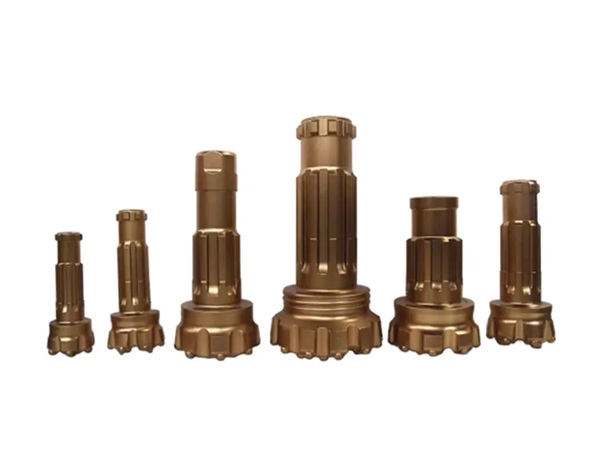
Down-the-hole bits. DTH drill bits are designed to make operations easier by drilling further, whatever the conditions. They have optimized head length with maximized steel support for the cemented carbide buttons, deep face grooves for excellent flushing and an aggressive cutting structure.
Q2: What is a tricone drill bit?
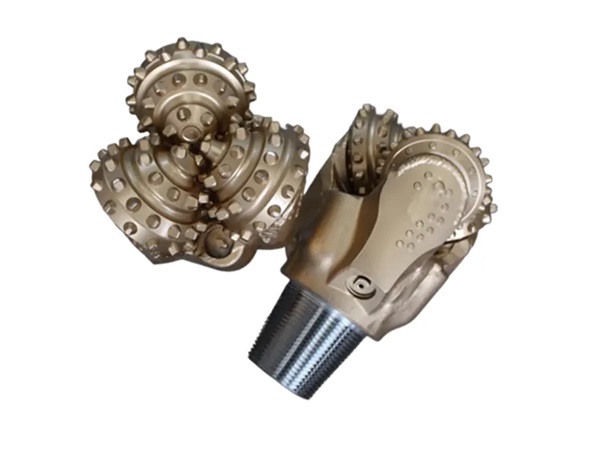
A tricone drill bit is a type of rock drilling tool that consists of three rotating cones with sharp teeth. Each cone is equipped with bearings that allow it to spin independently, enabling the bit to effectively penetrate hard rock formations.
Q3: What is the difference between PDC and tricone drill bits?
PDC and tricone drill bits each offer distinct advantages, making the choice dependent on specific geological conditions and project goals. PDC bits excel in shearing softer to medium-hard abrasive formations with superior ROP, while tricone bits dominate in crushing harder, more fractured, or interbedded rock types.
Q4: What are the different types of tricone bits?
Tricone bits come in different designs to suit different formation conditions. The main types include the roller cone, insert, and mill tooth bits. Each has a distinct purpose depending on the terrain and drilling environment. Roller cone bits have three cones that rotate and cut through rocks.
 English


