If you work in the drilling industry, you know that not all drill pipes are created equal. You might have some water well drill pipes in stock, but if you're planning to start a new oil drilling project soon, the thought might cross your mind: "Can I just use the drill pipes I already have?"
The answer is, absolutely not.
While they may seem similar at first glance—both are long, hollow steel pipes—using the wrong type of drill pipe can lead to catastrophic failures, lost time, and a significant waste of money.
Today, we'll uncover the real differences between oil drill pipes and water well drill pipes. As the professional drill pipe manufacturer, Weilida sees this happen frequently, so we're here to clarify.
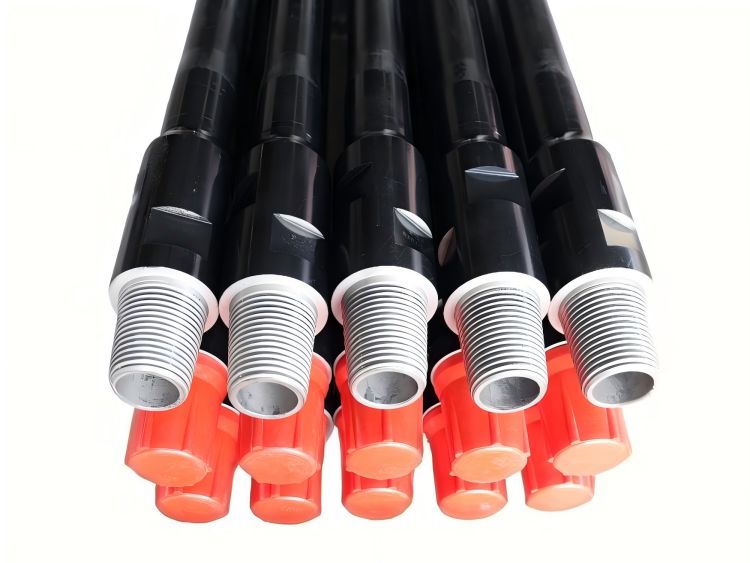
Steel: More Than Just Strength, It's About the Environment
It's like choosing a car. A water well rig is like a reliable pickup truck—it needs to be robust and durable enough to handle rough terrain. An oil rig is like a Formula One race car—it must withstand extreme, continuous pressure and high-speed operation.
Water well drill pipes (e.g., DZ50, R780, etc.): Water well tubing is very strong. It must withstand the tensile and torque forces generated during drilling to depths of hundreds of meters in order to obtain water. The environment is harsh, with highly abrasive sand and gravel, but the chemical composition is relatively neutral.
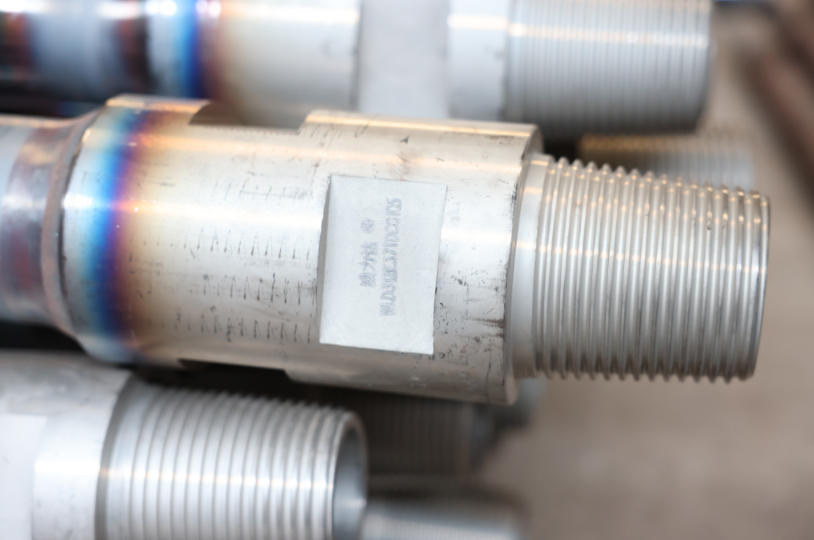
Oil drill pipes (e.g., API grades such as E75, X95, G105, S135): This is the real test. Oil drilling depths can reach thousands of meters. The steel needs to withstand the enormous tensile forces generated by its own weight, high torque, and high internal mud pressure. More importantly, it often has to cope with acidic gases (hydrogen sulfide) or carbon dioxide. This requires the steel to have a special chemical composition to prevent "sulfide stress cracking"—that is, the pipe cracking from the inside. This is why oil industry pipe products require strict API (American Petroleum Institute) standards.
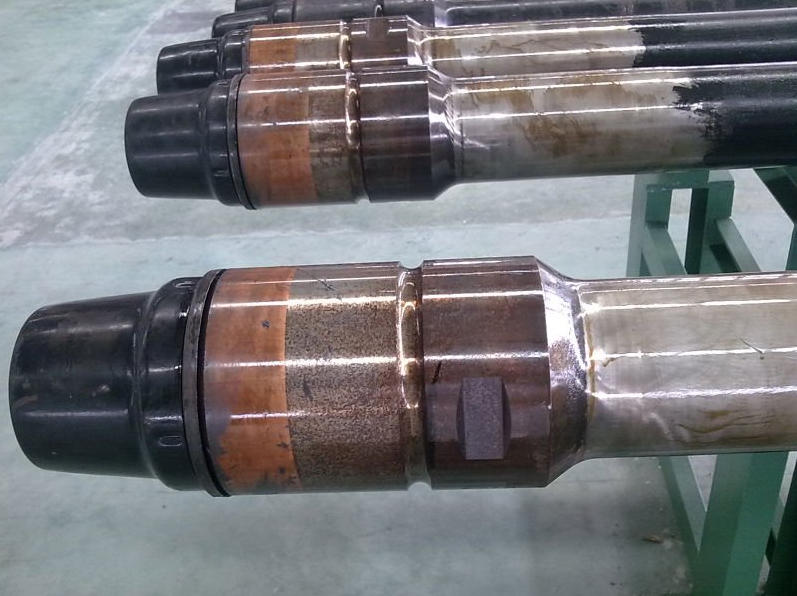
Connections: The Criterion (and the Weakness)
Threaded connections are the most stressed part of any drill string. This is also the reason for the huge differences between different connection methods.
Water well drill pipe connections: Usually use simpler and more economical thread types, such as API Reg (conventional) threads or some open-hole threads. Their design allows them to withstand a certain amount of torque and tighten/untighten cycles, but connection sealing and fatigue life are typically prioritized over cost and ease of use.
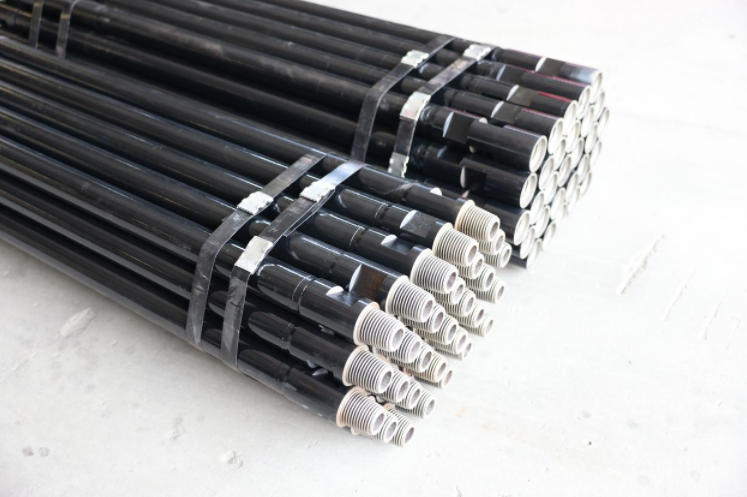
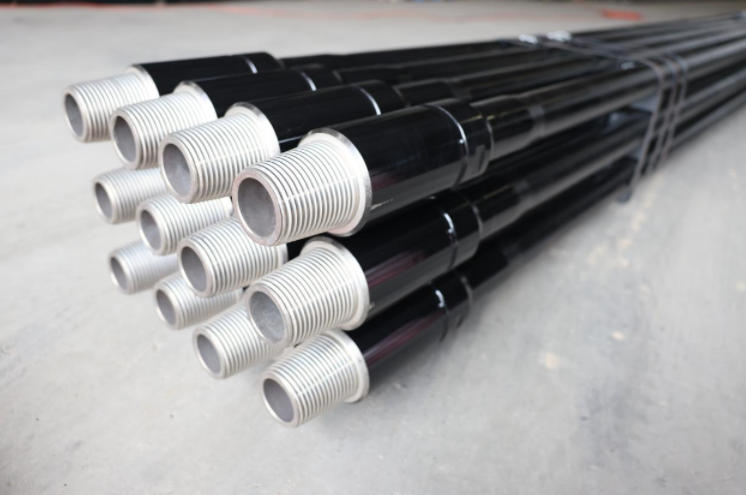
Oil Drill Pipe Connections: This is a science. High-quality connections (like those on our oil drill pipe page) are carefully designed to:
High Torque: They feature special torque shoulders that absorb enormous rotational forces without breaking.
Airtight Sealing: Oil and gas are subjected to immense pressure. Ordinary connections can leak gas. High-quality connections use metal-to-metal seals that maintain a leak-proof seal even under extreme bending and pressure.
Fatigue Resistance: The transition between the pipe body and the tool joint is carefully designed (like our upset drill pipe) to reduce stress concentration points. This prevents the pipe from cracking after millions of rotational cycles.
Design Life: Single Use vs. Precision Engineering
This may sound harsh, but it's the economic reality.
Water Well Pipelines: Often considered a durable tool with a specific service life. Once worn or damaged due to wear, they typically need to be replaced. The key is to reliably complete the work at a reasonable cost.
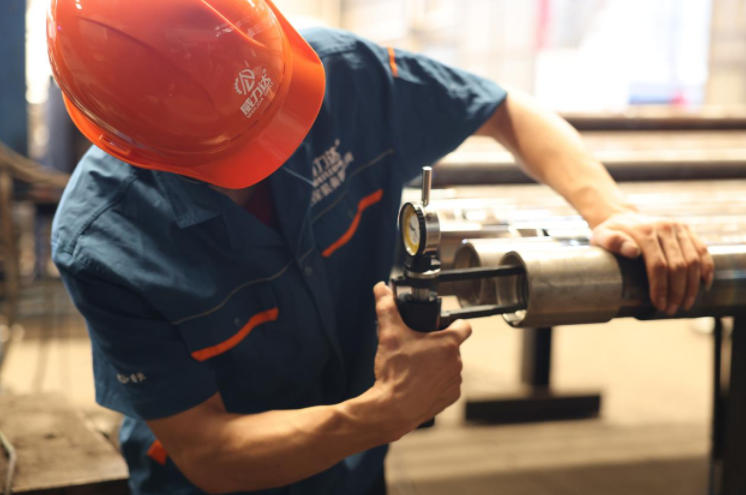
Oil drill pipe: Considered a high-value asset. Drill pipe strings are meticulously tracked (using pipe tracking software). They are periodically inspected using electromagnetic tools to look for defects. After reaching a certain number of rotation hours or wear limits, they are "rejected" because the consequences of torsional fracture at a depth of 5000 meters are astronomical.
Are the two interchangeable?
Technically, can you use heavy-duty water pipe in a very shallow, low-pressure oil well? Perhaps. But the risks are extremely high.
Using water pipe in oil operations carries the following risks:
Leaks at joints: Leading to well control failure.
Brittle fracture: If acidic gases are present, the drill pipe may break.
Torsion fracture: Joints or the pipe body break under torque, leaving a "fish"-like object in the well, with high retrieval costs.
Using expensive, high-grade oil drill pipe in simple water well operations? That's simply a waste of money.
Conclusion
Choosing the right drill pipe is crucial for the right job. We offer robust, durable, and cost-effective water well drill pipe for sale. If you're venturing into the oil and gas industry, investing in certified, high-quality oil drill pipe is not only wise but essential.
Weilida manufactures both types of drill pipe. We understand the steel, heat treatment processes, and threading techniques required for each unique application. If you're unsure which drill pipe to choose for your next project, feel free to contact us. We're happy to help you avoid costly mistakes.
 English


