Strengthening the Borehole with Casing Drill Pipe
In water well drilling and geological coring projects, the casing drill pipe plays a decisive role in stabilizing the borehole and preventing collapse as drilling progresses through complex formations. A well-constructed drilling system relies on a secure casing structure to maintain the integrity of the wellbore, especially in loose, fractured, or unstable geological layers. The casing drill pipe creates a protective path that keeps the surrounding soil, gravel, and fragmented rock from intruding into the drilled space, supporting reliable penetration and consistent well structure. On weilida's product line, tools such as coring pipes and other supporting drill components demonstrate the importance of durable casing construction in ensuring smooth drilling operations across water wells and geological survey environments. By guiding the drilling tool downward while reinforcing the borehole wall, the casing drill pipe becomes an essential part of a stable and continuous drilling workflow.
How Casing Drill Pipe Supports Drilling Stability
Well collapse is a major concern when drilling into formations that shift, swell, or loosen due to water pressure or tool vibration. The casing drill pipe reduces these risks by acting as a structural barrier between the drilling environment and the drill's interior pathway. As drilling deepens, changes in pressure and density within the formation can cause the borehole to narrow or cave inward, especially when encountering soft soils or mixed strata. With a properly positioned casing drill pipe, the wellbore remains open, allowing drilling mud and cutting debris to flow smoothly upward without triggering instability. weilida's coring pipe solutions emphasize structural precision and durability, qualities that allow the casing drill pipe to maintain consistency in environments where traditional drill pipe alone might fail. The stability created by this reinforced structure supports uninterrupted drilling, reliable data collection, and predictable well formation.
Why Is Casing Drill Pipe Essential for Preventing Well Collapse?
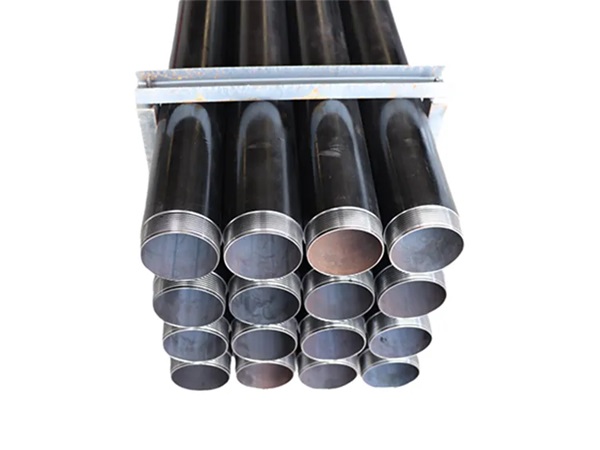
The casing drill pipe is essential for preventing well collapse because it ensures borehole integrity at every stage of drilling, creating a physical separation between unstable formations and the operational drilling zone. Without casing reinforcement, loose materials can fall inward as drilling progresses, filling the borehole and causing blockage that not only slows operations but also risks equipment damage. The casing drill pipe keeps the drilling channel open long enough for water, air, or drilling fluids to circulate properly, ensuring pressure balance and forming a stable path for continued drilling. In water well drilling, where depth increases the risk of collapse, a high-performing casing drill pipe helps maintain clear passage to deeper aquifers, preventing environmental or structural disruptions that could compromise well integrity. weilida's product range, particularly its coring pipe systems, reflects the necessity of precise, strong, and reliable casing to minimize collapse-related interruptions and maintain smooth drilling progress.
Integrating Casing Drill Pipe with Drilling Techniques
A strong casing drill pipe does more than hold formations apart; it integrates seamlessly with different drilling techniques to enhance performance. Whether applied in rotary drilling, percussion drilling, or down-the-hole methods, the casing drill pipe acts as a stabilizing frame around the drill string. Its ability to maintain shape and withstand external pressure ensures that drilling accuracy is not compromised, particularly during coring work where sample quality is crucial. weilida's coring pipe products demonstrate how advanced materials and structural design support compatibility with various drilling setups, ensuring that drilling remains efficient even in mixed or unstable layers. As the casing drill pipe advances with the drill, it creates a secure tunnel that supports tool alignment, sample recovery, and depth consistency, making it an indispensable part of effective drilling operations.
Long-Term Benefits of Using Casing Drill Pipe
The long-term benefits of using a casing drill pipe extend beyond preventing immediate collapse. A stabilized borehole allows for cleaner well construction, smoother coring extraction, and reduced operational interruptions. Because the casing drill pipe supports both the structural condition of the hole and the performance of drilling fluids, it increases the likelihood of successful well completion and enhances the overall drilling experience. weilida integrates reinforced design principles into its coring pipe products, highlighting the connection between a well-built casing system and reliable drilling outcomes. With a maintained borehole structure, operators can drill deeper with more confidence and achieve consistent results across various geological conditions, demonstrating why the casing drill pipe remains critical in modern drilling projects.
Partner with Weilida in Advanced Casing Drill Pipe Solutions
Partner with Weilida to leverage over three decades of expertise in drilling tool design and manufacturing, with a particular focus on casing drill pipe engineered to enhance borehole stability and prevent well collapse in demanding drilling environments. Our casing drill pipe products are manufactured using premium materials and precision machining to ensure structural integrity, compatibility with various drilling systems, and reliable performance under fluctuating subsurface conditions. By integrating stringent quality control and custom specification capabilities, Weilida delivers solutions that meet the real-world needs of oil & gas, water well, and geological drilling applications.
At Weilida, we understand the challenges of maintaining wellbore stability across diverse geological formations. That's why our casing drill pipes — backed by ISO9001 quality management and tailored connection options — provide dependable support and fluid control throughout the drilling process. Let us help you optimize well integrity and drilling efficiency with components you can trust — contact us for tailored recommendations and partnership opportunities.
FAQs
Q1: What is a drill pipe?
Drill pipe is hollow, thick-walled, steel piping that is used in drilling operations to facilitate the drilling of a wellbore and comes in a variety of sizes, strengths, and weights. They are hollow to allow the drilling fluid to be pumped through them, down the hole, and back up the annulus.
Q2: What is the difference between drill pipe and tubing pipe?
The Drill pipe is stronger and lighter in comparison with casing and tubing pipes. The drilling team attaches the drill pipe to the top driver or the cornered Kelly. Generally as the drilling pipe revolves it digs the earth underground by bits enclosed to the front end.
Q3: What kind of metal is drill pipe?
Steel. Though drill pipe is sometimes made of aluminum, steel is the favored choice, mainly due to its high capacity. Steel pipe is stronger than many other types of pipe and can be made larger or thinner without compromising its durability.
Q4: How heavy is drill pipe?
The hollow, tubular pipe serves as the medium through which drilling fluid is circulated to the drill bit on the drilling rig. A drill pipe could weigh anywhere between 6 to 43 lbs per foot. Several factors can determine its weight, each contributing to its overall mass and performance characteristics.
 English


