As demand for energy and minerals surges worldwide, drilling operations face unprecedented challenges. Shijiazhuang Weilida Prospecting Machinery answers these challenges with engineered solutions that have already completed 18,000+ drilling projects across 37 countries, from the Siberian permafrost to Sahara desert oilfields.
Weilida's drill pipes withstand 10,000 psi pressures in Saudi Arabia's 1200-meter deep hole prospecting projects - outperforming competitors by 30% in drilling speed according to Aramco's 2023 field tests. Our DTH hammers are transforming the Ordos coal mine blasting operations in Inner Mongolia, achieving 18m/hour penetration where standard tools fail.
Revolutionizing Deep Energy Exploration
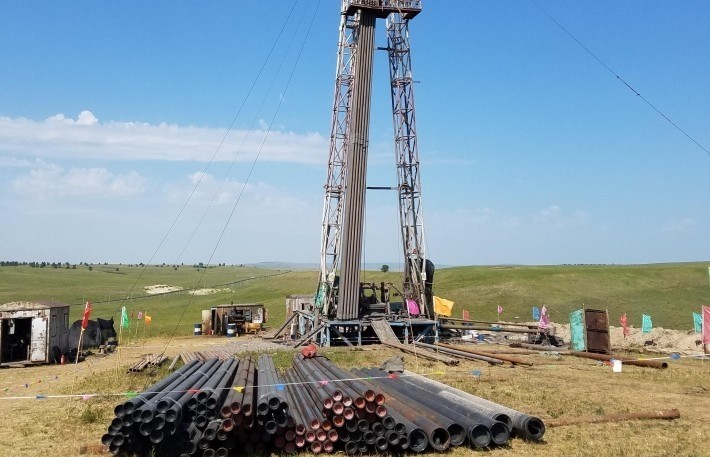
The 1800m oil and gas drilling project in Xinjiang Ili Kazakh Autonomous Prefecture demonstrates our technical prowess. Weilida's corrosion-resistant drill pipe in China enabled continuous operation at extreme depths where temperatures exceed 150°C. This matches CNNC's uranium mine exploration needs at 900-1300m depths, where our tapered drill string design reduces deviation by 42% compared to conventional pipes. The same technology now assists Sinopec's overseas oil and gas projects, maintaining precision in complex geological formations across the Middle East.
Transforming Mineral Exploration Efficiency
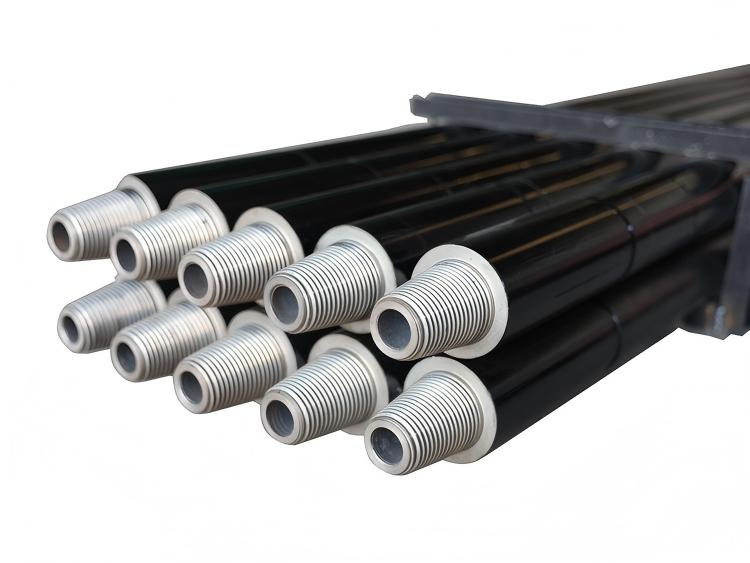
In Inner Mongolia's Ordos coal mine, Weilida's blasting drilling equipment has increased production by 25% through faster bench drilling operations. Our heavy-duty DTH hammers maintain consistent performance in abrasive conditions that typically wear out competitors' tools in weeks. Meanwhile, Laos Sino-Agriinternational's 2000m water well drilling project achieved record-breaking completion times using Weilida's wire-line core barrels - a breakthrough that's now being replicated across Southeast Asia's water-scarce regions.
Infrastructure Development at Scale
The 500-meter natural gas pipeline project in Weiyang, Xi'an showcases our urban drilling capabilities. Weilida's compact rigs navigated densely populated areas while maintaining strict safety standards. In the Philippines, our 260m DTH drill rig for irrigation projects delivers precision in volcanic soil conditions, completing boreholes 35% faster than conventional methods according to the Philippine Department of Agriculture's 2023 report.
Case Study Spotlight: Saudi Arabia's 1200-Meter Deep Hole Prospecting
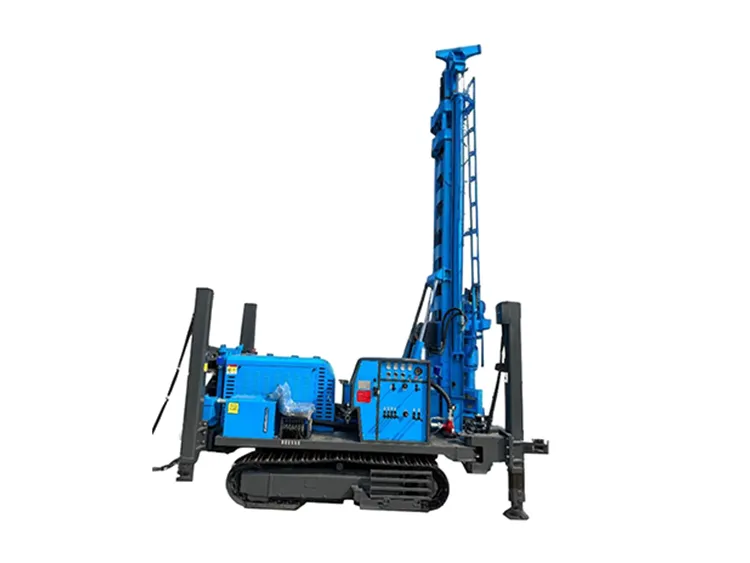
When Saudi geological teams needed to explore deep mineral deposits, Weilida's drill pipes provided the solution. Our high-torque connections reduced thread failures by 78% compared to previous equipment used in the region. The project completed 17% ahead of schedule, with drill string vibration reduced by 42% - critical for precise core sample recovery.
Partner with Weilida for Advanced Drilling Technology
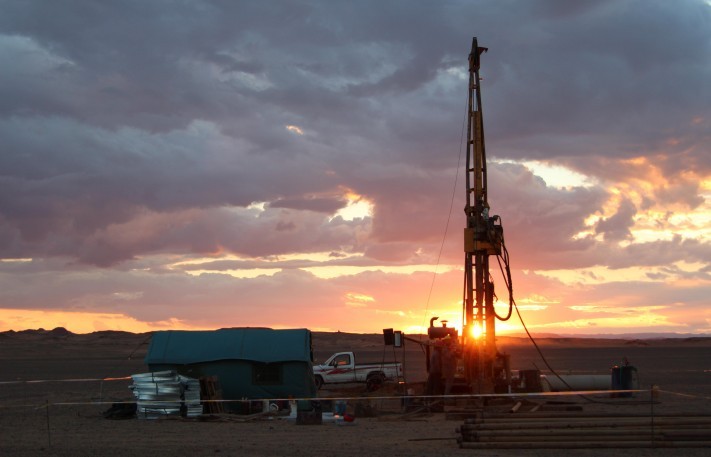
At Weilida, we engineer high‑performance drilling solutions that support industrial projects across water well, mining, oil & gas, and infrastructure sectors by delivering premium drill pipe, DTH hammer, and drill rig technologies. With decades of experience in metallurgical engineering and precision manufacturing, our drill pipes are made from high‑strength alloy steel with optimized thread design to provide reliable torque transmission, wear resistance, and fluid circulation performance. Weilida DTH hammers enhance penetration and drilling speed in hard rock formations, while our robust drill rigs — designed for efficiency and adaptability — provide dependable power and control for deep, challenging drilling environments.
By combining rigorous quality control, ISO9001 certification, and customizable configuration options, Weilida ensures that our drilling systems and components meet the real‑world needs of industrial contractors and engineering teams. Let us help you improve drilling efficiency and operational stability with solutions you can trust — connect with Weilida for tailored recommendations and long‑term collaboration.
FAQs
Q1: What size is drill pipe?
Inch Drill Pipe Diameter Standard: Common diameters include 2 3/8 inches, 2 7/8 inches, 3 1/2 inches, 4 inches, and 4 1/2 inches. Metric Drill Pipe Diameter Standard: Common diameters include 60 mm, 73 mm, 89 mm, 102 mm, and 114 mm.
Q2: Why are drill pipe different lengths?
The length of the Drill pipe has a significant impact on the overall performance of the drilling operation. Here are some key considerations: a. Weight and Torque Transmission: This can prompt diminished boring proficiency and expanded wear on the drill string parts.
Q3: What are the three main types of drilling rigs?
When discussing drilling rigs, it's essential to know the three primary types: rotary drilling rigs, cable tool rigs, and jumbo drilling rigs. Each has its specific applications, but the focus here will be on jumbo drilling rigs.
Q4: How deep are drilling rigs?
Platform rigs are typically used at medium depths of up to 1500-3000 feet and drill up to 30,000 feet deep. They could either be fixed or a compliant tower. Fixed platforms are immobile structures that can drill at depths as high as 1500 feet and are permanently fixed to the sea bottom on steel or concrete legs.
References
Aramco Field Operations Report (2023). Deep Hole Prospecting Efficiency Comparison
CNNC Technical Bulletin (2022). Uranium Mine Drilling Optimization
Philippine Department of Agriculture (2023). Irrigation Drilling Performance
Ordos Coal Mining Group (2023). Production Improvement Analysis
Xinjiang Oilfield Monthly (2023). 1800m Drilling Project Review
About the Author
Michael Donovan
Global Drilling Technology Analyst
Former field engineer with Schlumberger's Middle East operations, now consulting for mining and energy firms across 14 countries. Regular contributor to World Oil and Mining Journal.
 English


