Horizontal Directional Drilling (HDD) has revolutionized how we install underground infrastructure. From fiber optics to water mains, HDD pipe installation offers a non-invasive, cost-effective, and environmentally friendly alternative to traditional open-cut trenching. Whether you are a project manager or a contractor, understanding the nuances of this trenchless technology is vital for modern construction success.
What is HDD Pipe Installation?
HDD pipe installation is a trenchless method of installing underground pipes, conduits, or cables along a prescribed bore path by using a surface-launched drilling rig.
Unlike traditional excavation, HDD minimizes surface disruption, making it ideal for crossing rivers, highways, and congested urban areas. The process typically involves three main stages: drilling a pilot hole, pre-reaming to enlarge the hole, and the final pullback of the product pipe.
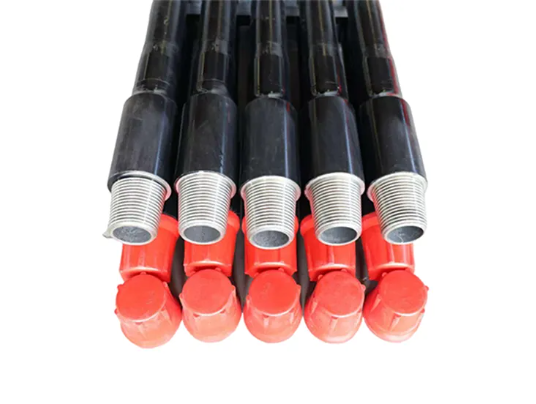
The Step-by-Step HDD Installation Process
The HDD installation process is a precision-engineered sequence consisting of pilot boring, hole expansion, and pipe pullback to ensure structural integrity and accuracy.
To achieve a successful installation, operators must follow these critical phases:
Pilot Hole Drilling: A small-diameter hole is drilled along the designed path. Advanced tracking systems, like those compatible with Weiliada HDD machines, ensure the bit follows the exact GPS coordinates.
For more technical specifications on drilling fluids used in this process, refer to the ASTM International standards for trenchless technology.
Comparing HDD vs. Traditional Open-Cut Trenching
A comparative analysis of HDD pipe installation versus open-cut methods reveals significant differences in environmental impact, restoration costs, and project duration.
When choosing a method, stakeholders must consider the “Total Cost of Ownership.” While the initial setup for HDD might seem complex, the lack of road restoration and traffic management costs often makes it the cheaper option.
| Feature | HDD Pipe Installation | Traditional Open-Cut |
|---|
| Surface Disruption | Minimal (Entry/Exit pits only) | Extensive (Full-length trench) |
| Traffic Impact | Low to None | High (Road closures required) |
| Environmental Footprint | Low (Preserves topsoil/trees) | High (Disrupts ecosystems) |
| Installation Speed | 30-50% Faster in urban areas | Slower due to excavation/backfill |
| Restoration Costs | Negligible | Very High (Paving/Landscaping) |
Why Using Weiliada HDD Pipe
Weiliada HDD pipe is engineered to provide high torque and precision steering, ensuring that pipe installation projects meet strict engineering tolerances with maximum uptime.
To explore our full range of drilling solutions, visit our Drill Pipe Gallery.
Essential Safety and Environmental Standards
Safety in HDD pipe installation involves rigorous utility mapping and the management of drilling fluids to prevent “frac-outs” or damage to existing infrastructure.
Before any “spud-in,” operators must use Ground Penetrating Radar (GPR) to locate existing lines. Furthermore, managing bentonite (drilling mud) is crucial. According to the North American Society for Trenchless Technology (NASTT), proper mud recycling can reduce project waste by over 40%.
Conclusion
HDD pipe installation stands as the pinnacle of modern utility construction, offering a blend of efficiency, environmental stewardship, and cost-effectiveness. By utilizing high-quality HDD pipes from Weiliada, contractors ensure that their projects are completed with the precision required by today's infrastructure standards. As the world moves toward smarter, less invasive construction, HDD remains the preferred choice for the future.
For more information on optimizing your next project, read the U.S. Department of Transportation's guidelines on trenchless technology.
Ready to upgrade your project? Contact the Weiliada Team today for a custom quote.
Frequently Asked Questions (FAQ)
Q1: What types of pipes can be installed via HDD?
Most commonly, High-Density Polyethylene (HDPE), Fusible PVC, and Steel pipes are used due to their flexibility and tensile strength during the pullback phase.
Q2: How deep can HDD pipe installation go?
While most utility installs are between 3 to 15 feet deep, specialized HDD projects can reach depths of over 100 feet to pass under riverbeds or large structures.
Q3: Is HDD more expensive than trenching?
While the hourly rate for an HDD crew may be higher, the total project cost is often lower because it eliminates the need for expensive road repairs, soil disposal, and traffic detours.
Q4: Can HDD drill through solid rock?
Yes. By using specialized “mud motors” and diamond-tipped bits available via Weiliada’s accessory line, HDD can efficiently penetrate hard rock formations.
Q5: What is a “frac-out” in HDD?
A frac-out occurs when drilling fluid pressure exceeds the soil’s strength, causing fluid to surface. This is prevented by careful pressure monitoring and fluid volume control.
Q6: How long does a typical HDD pipe installation take?
Small residential utility connections can be finished in a few hours, while major pipeline crossings (1,000+ feet) may take several days to weeks.
 English


